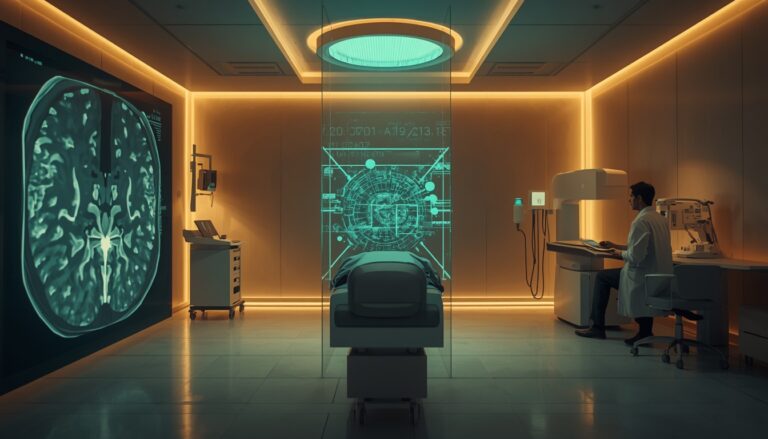
From Smart Devices to Smart Hospitals: How Medical Technology Is Changing Patient Care
Healthcare era has come an extended manner from the times whilst most clinical decisions relied on paper records, manual observations, and tests carried out most effective for the duration of health facility visits. Today, a smartwatch can music someone’s heart price, a connected clinical device can screen a patient’s condition at home, and a modern medical institution can use digital structures to assist clinicians access patient records greater fast.
The real change is not just that healthcare has more devices. It is that these technologies are starting to work creating new ways to monitor health find problems early manage treatment and help doctors make better choices.
This shift is converting the connection among sufferers, docs, and healthcare companies. Patients can take a more active position in coping with their fitness, at the same time as clinicians can use digital information to apprehend what’s happening beyond a unmarried appointment. Hospitals, meanwhile, are locating new approaches to attach departments, control resources, and enhance the affected person revel in.
Medical era is becoming an critical part of how healthcare is introduced, now not simply how illnesses are recognized. From clever medical devices and wearable health era to related health center structures and artificial intelligence, the point of interest is moving towards extra knowledgeable, coordinated, and affected person-centered care.
Adding new technology does not always mean better results. The real benefit happens when these tools solve problems fit, into the daily work of healthcare workers and let professionals spend more time with patients.
How Medical Technology Is Changing Patient Care
For years medical technology was mostly linked to machines found in hospitals. Things like MRI scanners, lab equipment and ventilators were the examples. These tools are still very important.. The idea of medical technology has grown much beyond just hospital equipment.
Healthcare now consists of wearable gadgets, far flung affected person monitoring structures, digital diagnostic equipment, related clinical device, digital fitness information, and software program that helps medical decisions.
These new kinds of technology are transforming care in real ways. They allow healthcare providers to gather information regularly. They help spot changes in a patient’s condition. They make it easier to coordinate care between places like a clinic and a home.. They reduce the amount of paperwork and administrative work that doctors and nurses have to do.
Consider a patient managing a long-time period condition. Previously, the health practitioner might have relied specially on measurements taken throughout scheduled appointments. With far flung tracking era, applicable measurements will also be accrued among visits. This additional information can assist clinicians recognize whether a patient’s situation is remaining strong or calls for similarly attention.
The technology does not replace the doctor’s judgment. Instead, it can give the doctor a more complete picture of the patient’s health.
| Medical Technology | How It Supports Patient Care |
|---|---|
| Wearable health devices | Track selected health measurements and activity |
| Remote patient monitoring | Supports observation of patients outside healthcare facilities |
| Connected diagnostic equipment | Helps capture and transfer clinical information |
| Electronic health records (EHRs) | Organize patient histories and clinical documentation |
| AI-powered clinical tools | Assist with selected analysis and decision-support tasks |
| Smart hospital systems | Connect workflows, equipment, and operational information |
| Digital imaging technology | Helps clinicians examine and interpret medical images |
The biggest opportunity lies in connecting these capabilities rather than treating each technology as a separate solution.
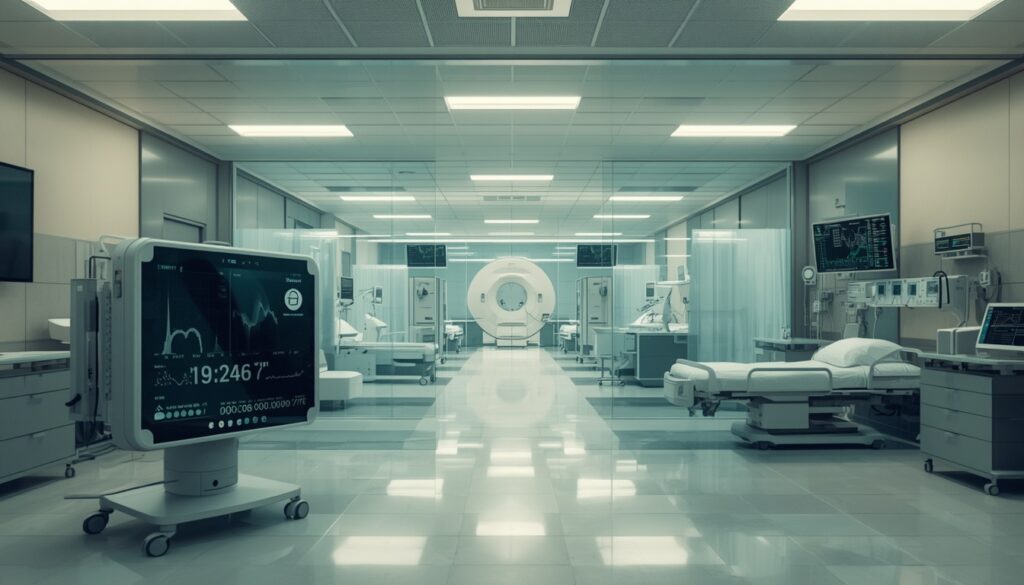
Key Points: Smart Medical Devices Are Bringing Healthcare Closer to Patients
- Remote Health Monitoring: Wearables and connected devices track health measurements outside traditional clinical settings.
- Better Patient Awareness: Patients can monitor health patterns and discuss relevant changes with clinicians.
- Chronic Condition Management: Connected devices help track measurements over time for ongoing care.
- Healthier Daily Habits: Wearable technology can encourage awareness of activity, sleep, and other health indicators.
- More Connected Care: Clinicians can use relevant monitoring data to support care between appointments.
- Important Limitations: Consumer wearables are not substitutes for medical-grade diagnostic equipment or professional medical advice.
Remote Patient Monitoring Is Changing the Way Care Is Delivered
Remote patient monitoring is one of the clearest examples of clinical technology supporting a extra flexible healthcare version.
It allows decided on patient measurements to be collected out of doors a health facility or medical institution, regularly through related gadgets and digital structures. Depending on the software, clinicians may overview this data remotely and follow up whilst effects require interest.
This can be particularly beneficial for patients who need ongoing monitoring rather than occasional assessment.
For example a patient recovering after a procedure may be asked to track symptoms or measurements at home. A clinician can then use the information alongside the patients medical history and reported symptoms to decide whether additional contact or an, in-person assessment is appropriate.
Remote monitoring may additionally assist the control of positive long-term conditions. Instead of treating each appointment as an isolated event, healthcare groups can use information collected over time to pick out styles and regulate care whilst vital.
However remote patient monitoring needs a clinical process. Collecting data is one part of the job. Healthcare organizations must decide who reviews information how concerning results are escalated and what happens when a patient needs urgent assistance.
Without these processes monitoring systems can generate volumes of information without improving care.
The goal is not to monitor everything. It is to collect the information and make sure someone can act on it when necessary.
What Makes a Hospital Smart?
A smart clinic isn’t always actually a conventional health facility filled with cutting-edge gadget. It is a healthcare environment in which linked technology, virtual data, and coordinated workflows paintings collectively to guide scientific care and hospital operations.
For example, related scientific devices may also help medical groups get admission to measurements more efficiently. Digital information could make applicable patient information simpler to retrieve. Hospital control systems can aid scheduling, bed allocation, inventory control, and coordination among departments.
The real benefit comes when all these systems play well together.
Imagine a patient arriving at a hospital for treatment. The care team needs to understand the patient’s medical history, current medications, allergies, test results, and treatment plan. If this information is scattered across disconnected systems, staff may spend valuable time searching for records or confirming details.
A connected hospital environment is designed to cut these obstacles by giving the people the right information right when they need a connected hospital environment.
Smart hospital technology also can support operational selections. Better visibility into mattress availability, system utilization, and affected person glide can also help hospitals manipulate resources more effectively.
| Smart Hospital Capability | Potential Impact |
|---|---|
| Connected patient monitoring | Helps clinical teams access relevant patient measurements |
| Integrated electronic records | Improves access to patient histories |
| Digital medication management | Supports medication safety processes |
| Smart scheduling systems | Helps coordinate appointments and procedures |
| Connected laboratory systems | Supports the movement of test results into clinical workflows |
| Equipment tracking | Helps staff locate and manage essential devices |
| Hospital operations analytics | Supports resource planning and workflow improvement |
These benefits depend on implementation quality. A medical institution does not come to be smarter really via shopping new software program. Its structures have to be reliable, usable, steady, and nicely incorporated into ordinary scientific work.

Electronic Health Records Connect the Pieces
Behind many related healthcare studies is a device that sufferers might also not often think about: the electronic fitness file.
An EHR enables organize clinical facts, such as diagnoses, remedy lists, check outcomes, remedy plans, and other relevant information. When structures are correctly integrated, this records can guide verbal exchange between unique healthcare professionals and departments.
Consider a patient who visits a general practitioner before being referred to a specialist. If the relevant records are available and up to date, the specialist may have a better starting point for understanding the patient’s condition.
This can reduce unnecessary repetition and make consultations more productive.
However not every electronic health record system communicates seamlessly with every system. Different software platforms may use different formats standards and access arrangements. As a result information can remain fragmented when healthcare providers have invested heavily in digital infrastructure.
That is why interoperability matters.
Connected medical devices and smart hospital systems become more useful when their information can reach the clinical systems in a meaningful format. Data that remains isolated in an application may have limited value, for a clinician who cannot easily access it.
For healthcare organizations the challenge is therefore twofold: adopt technologies and make sure those technologies work together.
Artificial Intelligence Is Adding Another Layer to Medical Technology
Artificial intelligence is becoming part of the wider medical technology landscape, particularly in areas involving pattern recognition, image analysis, documentation, and clinical decision support.
Some AI-enabled tools can help clinicians examine medical images, identify features that may need closer review, or organize large amounts of information. Other applications may assist with documentation and administrative tasks, giving healthcare professionals more time for direct patient interaction.
In a smart hospital, AI may also support operational activities such as forecasting demand or identifying workflow bottlenecks.
But AI should not be treated as an automatic solution to every healthcare problem.
A model can produce an incorrect result, perform differently across patient groups, or generate recommendations that require additional clinical context. Its usefulness depends on the quality of the underlying data, the intended application, appropriate validation, and ongoing monitoring.
Clinical accountability also remains important. AI-generated recommendations should be used within clearly defined workflows, with appropriate professional oversight.
For patients, the objective should be better care rather than simply more automation. Technology is most valuable when it helps clinicians make informed decisions without creating unnecessary confusion or reducing the human attention that healthcare requires.
The Patient Experience Is Becoming More Connected
Medical technology is also changing what patients expect from healthcare organizations.
People increasingly encounter digital services in other parts of their lives, from online banking to appointment booking and real-time notifications. Naturally, many expect healthcare to offer similar convenience where it is clinically appropriate.
Patient portals, digital appointment systems, electronic prescriptions, and secure messaging can make it easier to manage parts of the care journey. When these tools are connected to clinical systems, patients may also find it easier to access relevant information and follow treatment instructions.
This does not mean every patient wants a completely digital experience.
Some people prefer speaking directly with a healthcare professional. Others may have limited internet access, disabilities, language barriers, or difficulty using digital tools. A well-designed healthcare system should provide digital options without making essential services harder to access for people who need personal assistance.
The best approach combines technology with human support.
A patient might book an appointment online, complete a digital intake form, attend an in-person consultation, and later receive follow-up instructions through a secure portal. Each step serves a purpose, but the experience should feel like one connected journey rather than a collection of unrelated services.
The Challenges Smart Hospitals Cannot Ignore
Despite the possibilities, the flow toward related scientific technology brings several challenges. These problems deserve interest due to the fact they are able to decide whether an investment improves patient care or adds another layer of complexity.
1. Data Privacy and Cybersecurity
Connected medical devices and hospital information systems handle health information. Weak access controls, insecure connections, outdated software or managed third-party systems can expose that information to unauthorized access.
Healthcare organizations need cybersecurity practices, including appropriate authentication, access restrictions, software maintenance, staff training and incident response planning.
Security must be considered from the beginning of a project than added after deployment.
2. Integration With Existing Systems
Many hospitals already use more than one software program systems and devices. Introducing a new solution can create troubles if it cannot change facts with current structures.
Before making an investment in medical generation, agencies need to examine compatibility, interoperability, data codecs, preservation necessities, and the lengthy-time period value of integration.
3. Staff Training and Workflow Changes
Even useful technology can struggle if clinicians find it difficult to operate or if it adds extra steps to their daily work.
Healthcare professionals need training that reflects real clinical situations, not just demonstrations of software features. Staff should also have opportunities to report problems and suggest improvements.
4. Cost and Accessibility
Advanced medical technology can require great investment in device, infrastructure, technical aid, and schooling. Smaller healthcare facilities may also discover these costs in particular difficult to manage.
There is also a chance that virtual healthcare could widen existing inequalities if services are designed most effective for sufferers with reliable connectivity, modern devices, and sturdy digital capabilities.
The aim have to be to use generation in ways that enhance get entry to in preference to create new obstacles.
How Healthcare Organizations Can Make Medical Technology More Effective
Successful virtual transformation begins with a clean knowledge of the hassle.
A health center experiencing delays in retrieving affected character information might also gain greater from better system integration than from buying some other tracking tool. A care team suffering to observe up with sufferers after discharge might also moreover need a properly-designed far off tracking application rather than a enormous digital transformation project.
Healthcare leaders ought to focus on realistic outcomes and introduce technology in degrees.
First, choose out a particular medical or operational venture. Next, check which generation can realistically address it. Then look at how the solution will fit into current workflows, what training employees will want, and how affected character records may be included.
It is also important to degree consequences after implementation. Relevant measures may embody time spent retrieving information, overlooked observe-up appointments, device availability, workflow delays, patient enjoy, and clinically suitable outcomes.
A generation venture ought to not be considered a hit merely because a gadget has been hooked up.
It need to show that the system is beneficial, safe, and sustainable.

Conclusion
From health devices to connected hospital systems I see that technology in healthcare is changing the way professionals in healthcare watch patients share information, coordinate treatment and handle daily work.
Smart gadgets can amplify positive sorts of monitoring past the sanatorium. Electronic fitness records could make scientific statistics less difficult to organize and get right of entry to. Remote patient tracking can assist care between appointments, while AI and connected health center infrastructure can help deal with selected clinical and operational challenges.
The real change is not about adding more technology to healthcare. I think it is about making healthcare more connected, responsive and useful for the people who rely on it.
For healthcare organizations, this indicates looking beyond the features of man or woman merchandise and focusing on how systems paintings together. For clinicians, it way the usage of technology to aid instead of complicate professional judgment. For sufferers, it means getting access to greater handy and coordinated care without dropping the personal attention that makes healthcare powerful.
The destiny of clever hospitals will in the end rely on how well they integrate virtual functionality with human knowledge. When era solves real troubles, protects patient information, and supports higher selections, it becomes more than an improve to hospital infrastructure.
It becomes a practical tool for delivering better patient care.
Frequently Asked Questions
1. What is medical technology?
Medical technology includes devices, equipment, software, and digital systems used to prevent, diagnose, monitor, or treat health conditions and support healthcare delivery. Examples include diagnostic imaging systems, wearable health devices, remote monitoring platforms, and electronic health records.
2. How are smart medical devices improving patient care?
Smart medical devices can collect selected health measurements, support remote monitoring, and help patients and clinicians observe changes over time. Their value depends on measurement accuracy, appropriate clinical use, and clear processes for reviewing and acting on the information.
3. What is a smart hospital?
A smart hospital uses connected medical equipment, digital records, data systems, and automated workflows to support patient care and hospital operations. The goal is to improve coordination, information access, resource management, and the overall patient experience.
4. What role do electronic health records play in smart hospitals?
Electronic health records organize patient information such as diagnoses, medication histories, test results, and treatment plans. When connected with other clinical systems, they can help authorized healthcare professionals access relevant information and coordinate care more effectively.
5. Can artificial intelligence replace doctors in smart hospitals?
AI can support specific tasks, including image analysis, documentation, and clinical decision support, but it does not replace the full role of a healthcare professional. Clinical judgment, communication, accountability, and individualized patient assessment remain essential.
6. What are the biggest challenges in adopting medical technology?
Major challenges include cybersecurity, data privacy, system integration, staff training, implementation costs, data quality, and unequal access to digital services. Healthcare organizations need to address these issues alongside the clinical benefits of a technology.

Jimmy Simmons
Jimmy Simmons contributes insights and analysis across banking, financial services, fintech, markets and emerging technology.